Use the calendar to plan a trip, not just follow the championship
The calendar above is a starting point for a journey from the UK. A race date tells you when the event is scheduled, but it does not tell you which days your ticket covers, when you should arrive or how easily you can leave. Read those questions together. The cheapest flight can become poor value if it misses a session you wanted or creates an extra overnight stay on the way home.
This hub uses the announced 2027 calendar as its planning reference. Dates were checked against Formula 1’s official season page in October 2026. Turkey remains subject to FIA circuit homologation, while the Dutch Grand Prix and Barcelona-Catalunya are absent from this season. Confirm the organiser’s ticket dates and relevant transport arrangements before paying: calendar inclusion does not mean tickets remain available.
What the travel difficulty labels mean
Easy, moderate and long-haul are editorial starting points for a UK traveller, not guarantees about every route. Your home airport, mobility requirements, available leave and confidence with connections can change the result. An apparently easy destination may still have a demanding circuit transfer. A longer flight may lead to a simple city stay. Read the label as an invitation to inspect the journey, not as the final answer.
Start from your front door and finish at the accommodation entrance. Include reaching the station or airport, the check-in margin recommended by your operator, transfers and the final walk. Then repeat the exercise for each track day. The Grand Prix comparison guide separates ease from holiday value and atmosphere so you can see why one overall ranking would hide useful differences.
Search from regional airports as well as London
A UK departure does not have to begin in London. Compare Manchester, Birmingham, Bristol, Edinburgh, Glasgow and Newcastle with airports you can reach comfortably. Search your actual dates and inspect whether each itinerary is direct or connected. Routes, days of operation and fares change, so an airport name in a planning guide is a search suggestion rather than evidence of a current direct flight.
Smart moveCompare the complete price and the consequences of the timetable. An early departure may require airport accommodation. A late return may arrive after useful public transport has finished. A connection adds another point where delay can affect the trip. If you choose a distant UK airport to save money, include fuel or rail, parking and the time involved. A modest fare saving may not justify an awkward overnight journey before the weekend has begun.
When rail deserves a proper comparison
For a destination reachable through continental rail connections, compare Eurostar and onward services alongside flying. Use the operator's booking information for station changes, connection requirements, baggage and ticket conditions. A city-centre arrival can be convenient, but the complete itinerary still needs checking. Separate tickets may have different protections and change conditions; do not assume that every missed connection will be handled in the same way.
Keep the final route to the circuit separate from the international journey. Reaching a major city does not establish that an event shuttle operates from your chosen station, or that its return suits your hotel. Our Spa travel guide from the UK is one of the full model pages where international travel and the final event transfer are considered together.
Driving and ferries
Driving can make sense for a group with camping equipment or a route that benefits from flexibility. Build a real shared budget: crossing, fuel, tolls where applicable, parking, required equipment and overnight stops. Check the current official driving requirements for every country on the route. Decide who will drive after a long day at the circuit and how breaks will work. The car is transport, not a reason to stretch a tired driver.
Book in the order that protects your priorities
Begin by checking that the ticket type you want exists and is available through an official or clearly authorised seller. Next compare accommodation and transport for the same dates. Avoid buying one non-refundable element simply because it looks attractive before you know the rest of the trip is practical. A workable plan has matching dates, arrival arrangements and a realistic total, with the relevant cancellation terms understood.
If your trip depends on a particular accessible seat, companion arrangement or supported transfer, establish that before committing to other bookings. The same applies to a campsite space with specific facilities or a family room that cannot easily be replaced. A generic ticket category or hotel filter may not answer the practical question. Get confirmation from the organisation responsible for providing the service.
Choose your base before choosing your hotel
First select the town or neighbourhood that gives your group a workable weekend. Then compare individual properties. Consider the circuit connection, evening food options, arrival time, noise preferences and activities away from the race. A convenient base for one traveller can be awkward for another. Someone relying on public transport needs a different search from a group with a car and a designated driver.
Do not translate a short distance on a map into a short race-day journey. Roads, access restrictions, parking entrances and the location of your gate affect the result. Check which event services are actually confirmed and where they depart. Save the official event transport details when booking opens, and check them again before departure because arrangements can change between your initial search and race week.
Understand what a ticket will feel like
Grandstand and general admission choices are about experience as well as price. Ask whether the area offers a seat, cover, a useful screen, the view you want and an exit route you can manage. A distant view of several corners and a close view of one section are different experiences. Neither is automatically better. Be clear whether you want to watch the racing develop or feel close to the speed and noise.
For general admission, check the organiser's current rules on chairs and other equipment. Think about sightlines, surfaces, walking and whether arriving early is realistic for your group. For a grandstand, inspect the current seating map and any official restrictions or notes about visibility. Stand names and configurations should come from the event's current sales information, rather than an old photograph or a recommendation for another season.
Make room for weather and time differences
Typical climate helps you pack and compare destinations, but it cannot forecast your race weekend. Prepare for the conditions described by current local forecasts and the organiser, with clothing that works during queues and exposed walks. Check whether your viewing area has shelter. A hot city break and a long day outdoors require different thinking about water, shade and rest.
Use local times for all bookings and check the time difference for your actual travel dates. Airline, train, hotel and circuit information can be displayed in different contexts. Keep a shared itinerary that makes the time zone clear, especially if friends travel separately. For a longer trip, leave enough recovery time that the race does not begin with everyone exhausted from travel.
Go from shortlist to a complete weekend
Start with three destinations that fit your budget and leave. Compare the same ticket standard, number of nights and group size, then test the circuit journey and the return home. Use our complete British Grand Prix guide and Belgian Grand Prix guide as examples of the level of detail to assemble. Every race on the 2027 calendar now has a full guide; Turkey retains its final circuit-approval caveat.
If the international trip does not fit this year, the UK Motorsport hub offers another route into live racing. There is no need to turn a first visit into the most complicated holiday on your list. Choose a weekend you can afford, arrive with a plan and leave enough flexibility to enjoy the sport.
Four more long-haul weekends, properly planned
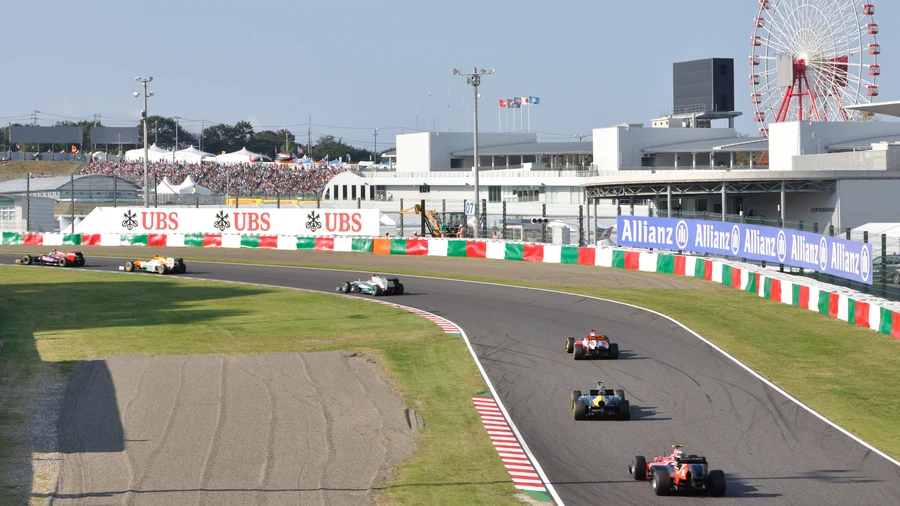
Our Mexico City guide pairs the stadium atmosphere with Roma Norte and Condesa, while the São Paulo guide explains the train to Interlagos and a sensible city base. For Asia, compare Suzuka from Nagoya with Singapore’s city-centre night race. Each guide separates the three-night race budget from extra days for sightseeing and recovering from the flight.
The full grid, with a plan for every trip
Compare Shanghai’s Metro-linked race weekend, Melbourne’s parkland Sprint weekend and Istanbul’s return, subject to final circuit approval. Each guide covers entry requirements, a useful city base and the journey home. For something closer, start with the Isle of Man TT or Goodwood Festival of Speed.